Can Being Engaged in Social Activities in a Memory Care Community Boost Immune Strength?
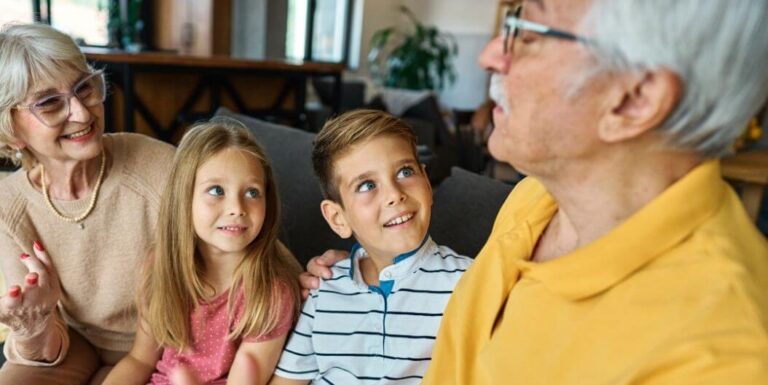
Have you ever noticed how much brighter a person’s day can be after spending time with friends and family? Connecting with others, whether through conversation, laughter, or even a friendly game, is one of life’s simple joys. In a memory care community, these social connections do more than just brighten a resident’s day; they can also help support their overall health, including their immune system.
Staying socially active can help reduce stress, improve mood, and increase energy levels, all of which can help the immune system function at its best. Moreover, meaningful social interactions can give your loved one a sense of purpose and belonging, which can remind them that they are part of something greater.
8 Ways Social Activities Can Strengthen the Immune System
Here’s how social engagement helps strengthen the body’s defenses:
Reduces Stress Levels and Cortisol Production
Social activities give your loved one the opportunity to rest and enjoy positive, uplifting interactions. Just as a gentle touch provides comfort for your loved one, social interaction also helps the body produce less cortisol, which is a stress hormone that can hinder immune response. Group games, light conversation, or shared hobbies can also help to ease tension and encourage calmness.
You’ll notice that your loved one often appears more balanced and relaxed after spending time with friends and family. When your loved one is less stressed, the body is also better able to repair and defend itself instead of remaining on high alert and in fight-or-flight mode.
Encourages Regular Physical Movement
Many types of social activities also include a gentle element of physical movement, whether it’s dancing, gardening, or simply walking and spending time with others. Physical activities like these can be enhanced even further with carefully planned themed pathways that support sensory engagement in the memory care community. Small movements like these help with circulation and also strengthen the immune system.
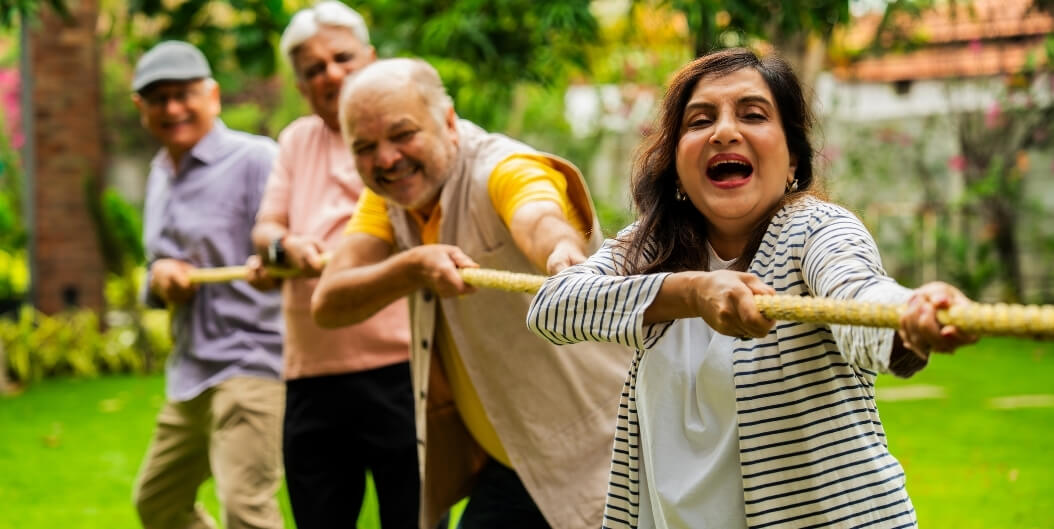
Your loved one is also more likely to exercise and move when it feels fun and social rather than a chore. Even group games or seated exercises engage the body and stimulate laughter and a sense of teamwork.
Promotes Laughter, Which Supports Immune Response
We’ve all heard the expression “laughter is the best medicine,” and while it might sound cliché, it’s really true. Laughter in groups can release endorphins, lower stress and anxiety, and also increase the production of immune cells that help fight off infections.
When your loved one is laughing with others, it not only benefits the body but also the mind. These moments of joy release tension, help the body to relax, and strengthen the immune response. Laughter also helps build relationships, strengthens bonds, and improves overall health.
Enhances Emotional Well-Being and Positivity
Connecting with others can make your loved one happier. Talking, laughing, and sharing experiences with peers creates a positive chain reaction, enhancing emotional balance. Supportive social interactions release endorphins.
These feel-good hormones help reduce stress and promote overall well-being. Simple group activities, such as music time, card games, shared meals, and art therapy, can uplift your loved one’s spirit and help them feel connected. This continued flow of joy and belonging creates emotional resilience over time.
Improves Sleep Quality Through Reduced Anxiety
When your loved one has a full and connected day, sleep tends to come easier at night. Socializing and participating in group activities help calm the mind and reduce anxiety and restlessness before bedtime.
Relaxing activities, such as chatting during meals, playing games, or attending small group outings, help the body let go of stress and tension accumulated throughout the day. Also, smart floor plans reduce extraneous noise and distractions, allowing your loved one to feel safe and comfortable as they drift off to sleep.
Strengthens Cognitive Engagement and Alertness
Group games and creative activities help keep your loved one’s brain engaged healthily. They promote memory recall, focus, and nurture curiosity. Each social interaction is an opportunity to learn new information, whether it be names or shared experiences.
This ongoing cognitive stimulation and engagement also support healthy brain function. It improves attention, reasoning, and problem-solving abilities. Moreover, social engagement can help slow cognitive decline.
Increases Motivation to Maintain Daily Routines
Seeing familiar faces and participating in enjoyable activities naturally motivates your loved one. Social interaction gives their day a healthy structure, from morning strolls and painting classes to mealtimes spent chatting with friends. These consistent check-ins create a sense of routine, encouraging them to show up regularly and stick with it.
Looking forward to meaningful activities fosters a sense of purpose and belonging, which uplifts mood and strengthens overall well-being. Being part of a supportive memory care community also helps your loved one stay consistent with positive habits like eating well, exercising, and attending regularly.
Fosters a Sense of Belonging and Connection
Memory care for senior citizens can help your loved one build close connections to others. And this can be great for their mind and body in many ways. Shared experiences, such as group discussions or celebrations, build trust and companionship. That feeling of belonging triggers the release of hormones that promote calmness and help regulate stress and immune response.
Feeling like part of a community where they are understood and valued also nurtures emotional stability, reducing the risk of isolation and sadness. When your loved one is giving and receiving care and compassion, it also strengthens emotional resilience. Meaningful connections like these can make each day a little brighter and remind your loved one they’re never truly alone on their journey towards health and happiness.
Looking for a Memory Care Community That Will Engage Your Loved One With Social Activities? Discover the Benefits of Social Wellness at Elison Independent Living of Graham
Meaningful connections can significantly impact your loved one’s well-being, especially when they are part of a memory care community that values socialization as part of daily living. Laughter and shared experiences help the mind stay sharp and keep the body strong. See for yourself how a vibrant, connected community can benefit your loved one. Schedule a tour today and explore how your loved one can flourish through meaningful relationships and daily activities.