How Can Seniors Make Friends After Retirement and Spark New Conversations in Assisted Living?
Seniors can make friends after retirement in assisted living by joining shared activities, starting small everyday conversations, spending time in community spaces, and staying open to new connections. Assisted living communities make this easier by bringing residents together through meals, events, outings, and daily routines that create natural chances to talk and bond.
Making friends after retirement can still feel harder than most people expect. Work routines disappear. Social circles shrink. Adult children stay busy with their own lives. Some seniors suddenly go from speaking with people every day to sitting through long, quiet afternoons, wondering where all the conversation went.
That silence can feel heavy. But the good news is that assisted living communities create new opportunities for connection every single day. Residents are surrounded by people in similar stages of life, and that shared experience can make conversations feel easier, more natural, and far less intimidating than people imagine.
Sometimes, one small interaction is enough to start changing someone’s daily routine.
Why Does Friendship Still Matter After Retirement?
Friendship still matters after retirement because seniors continue to need companionship, conversation, belonging, and emotional support.
Retirement does not erase the need for human connection.
People still want companionship, laughter, conversation, and that feeling of belonging somewhere. In fact, those needs often become even stronger later in life.
Isolation can become emotionally draining when it goes unchecked.
Too much loneliness can quietly drain motivation, confidence, and energy. Days start blending together. Conversations become rare. Even small tasks begin feeling heavier than they should.
That’s why friendships matter so much in assisted living environments.
Simple social moments can improve mood fast: sharing meals together, joining activities, talking during walks, laughing during games, watching movies with neighbors, and sitting outside and chatting.
These moments may seem small, but they create emotional stability that people genuinely need.
How Can Seniors Start Conversations Without Feeling Awkward?
Seniors can start conversations more comfortably by keeping things simple and talking about everyday topics like hobbies, food, family, music, or shared activities.
A lot of seniors worry they will not know what to say.
That fear is normal.
Walking into a room full of unfamiliar people can feel uncomfortable at first. But the reality is that many residents feel the exact same way during their first weeks in assisted living.
And honestly, most friendships begin with surprisingly ordinary conversations.
Simple topics work best: favorite hobbies, music, sports, family stories, movies, local events, pets, food, and travel memories.
You do not need some perfect, clever opening lines.
In fact, trying too hard to force a conversation can make the moment feel less natural. Natural conversations usually grow from everyday moments instead of rehearsed social performances.
Sometimes someone comments on lunch. Someone else joins in. Suddenly, two people are talking for forty minutes.
That’s how friendships often begin.
How Do Shared Activities Make Friendship Easier?
Shared activities make friendship easier because they give residents something natural to do together while conversation develops without pressure.
Activities remove pressure from socializing.
Instead of staring at each other trying to force conversation, residents focus on something enjoyable together. That shared activity naturally creates interaction without making things feel awkward or forced.
Popular assisted living activities often include:
- Exercise classes
- Arts and crafts
- Game nights
- Book clubs
- Religious services
- Happy hours
- Walking groups
- Movie nights
- Scheduled outings
And group activities can make connection feel easier than waiting alone and hoping conversation finds you.
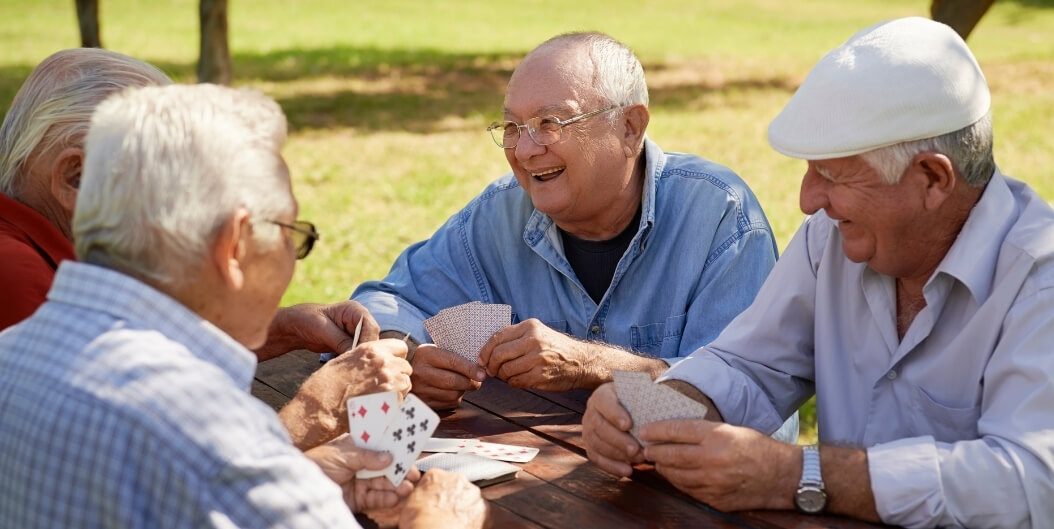
People bond while laughing during games, struggling through crafts together, or teasing each other during bingo games that become far more competitive than anyone expected.
That playful energy matters.
Why Does Listening Matter More Than Talking When Building Friendships?
Listening matters because people often feel closer to those who make them feel heard, valued, and comfortable sharing their stories.
Many seniors carry decades of stories, experiences, heartbreaks, funny moments, and memories they rarely get the chance to share anymore. When someone genuinely listens with interest, conversations become deeper very quickly.
And good listeners stand out immediately.
You do not need to dominate every conversation or constantly impress people. Asking thoughtful questions often works far better.
Questions like:
- “Where did you grow up?”
- “What kind of work did you do?”
- “What hobbies did you enjoy most?”
- “What places did you love visiting?”
Those simple questions can open the door to meaningful conversations that continue for weeks.
How Can Friendship Improve Emotional Well-Being?
Friendship can improve emotional well-being by helping seniors feel more supported, more engaged, and less isolated in daily life.
Strong social connection helps residents feel emotionally stronger and more engaged.
Friendships encourage people to:
- Leave their apartments more often
- Participate in activities
- Stay mentally active
- Laugh more
- Feel supported during difficult moments
And having people around who notice your absence matters more than many seniors admit.
That sense of community creates comfort.
When residents know someone will save them a seat at dining, ask where they were yesterday, or invite them to an activity, life starts feeling more connected again instead of isolated and repetitive.
That emotional shift can be powerful.
How Can Humor Help Break Social Barriers?
Humor can help break social barriers by making conversations feel lighter, more natural, and less formal.
Laughter makes socializing easier.
Always has.
And assisted living communities are full of residents with sharp humor, funny life stories, and quick one-liners that catch people off guard.
Humor lowers tension fast.
People relax more when they laugh together. Even teasing during card games or joking during activities helps friendships feel more natural instead of overly formal.
Friendship feels easier when every conversation does not have to feel formal.
Sometimes residents connect fastest through shared humor and everyday silliness.
Why Is It Important to Stay Open to New Friendships?
Staying open to new friendships matters because meaningful connection can still grow later in life, especially when seniors have more time to enjoy one another’s company.
One mistake some seniors make is assuming it is “too late” to form new friendships.
It is not.
Friendships after retirement may look different from earlier stages of life, but they can still become deeply meaningful. In some ways, they become even more genuine because people stop pretending and simply enjoy each other’s company.
And honestly, some residents end up forming closer friendships in assisted living than they had during their final working years.
Why?
Because they finally have time to connect again.
How Can Family Encouragement Help Seniors Build Connections?
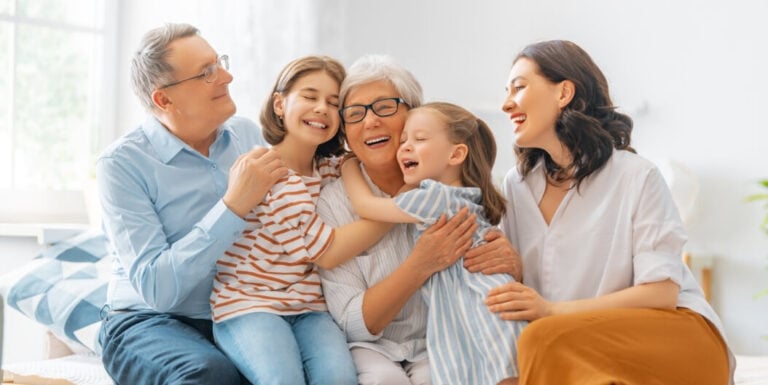
Family encouragement can help by gently motivating seniors to attend activities, meet others, and give community life a fair chance.
Sometimes seniors feel nervous attending activities alone during the first few weeks. Gentle encouragement from family members can help residents step outside their comfort zone without feeling pressured.
And honestly, one successful activity can completely change someone’s attitude toward community life.
A resident may reluctantly attend one social event and suddenly discover people they genuinely enjoy being around.
That happens more often than families realize.
How Does Daily Interaction Help Build Social Confidence?
Daily interaction helps build social confidence because small, repeated conversations make future connection feel easier and less intimidating.
Friendship also builds confidence.
The more residents interact socially, the easier future conversations become. Small daily interactions slowly remove feelings of fear, awkwardness, or uncertainty.
Over time, residents often become:
- More outgoing
- More comfortable socially
- More willing to try activities
- More emotionally engaged
- More confident in group settings
And honestly, confidence grows through repetition, not perfection.
Nobody needs flawless social skills to make meaningful connections.
Want to See How Assisted Living Can Help You Feel Connected and Supported? Explore Elison of Graham Assisted Living Today!
At Elison Assisted Living of Graham, residents have opportunities to build meaningful friendships, enjoy engaging activities, and experience a welcoming community atmosphere filled with conversation, connection, and daily social interaction.
From shared meals and community events to wellness activities, outings, games, and relaxing shared spaces, residents can enjoy an environment designed to encourage comfort, engagement, and companionship.
Schedule a tour of Elison Assisted Living of Graham to see how the right assisted living community can support you with meaningful friendships, daily connection, and a more engaging lifestyle.